Planning a landscape project gets a lot easier, and way more satisfying, when you have the right tools on hand. I’ve learned over plenty of backyard makeovers, garden updates, and outdoor DIY jobs that a solid set of basics helps take the stress out of everything from prepping the soil to the final touches on a garden bed. If you’re new to landscaping or looking to build up your tool collection, I’ve rounded up some practical and versatile tools you’ll find super helpful for a wide range of projects.
Why the Right Tools Matter for Every Landscape Project
Landscaping covers everything from creating a flower bed to installing pathways, laying sod, or even building retaining walls. Having dependable tools can honestly save hours of work, keep you safer, and give way better results. Trends are showing that more homeowners are getting hands-on with their yards, especially as info and inspiration pop up everywhere online (Garden Research) has some stats on this boom if you’re curious. Whether your goal is a tidy lawn or a complete backyard transformation, having purpose built equipment makes each task more approachable.
Even if you’re not going for a magazine worthy setup, the basics are helpful for all sorts of jobs. From digging and shaping the land to precise measuring and clean up, the best tools are durable, comfortable to use, and make your workflow a lot smoother. Investing in quality gear early on means fewer replacements and less frustration down the line.
Modern materials and handy designs make today’s landscaping tools more user friendly than what you might remember from your grandparents’ shed. Many now feature ergonomic handles and lighter frames, which help out big time during long work sessions. This means landscaping projects are doable for just about anyone, no matter your size or strength. Plus, companies keep releasing new gadgets and modifications that make the work feel less intimidating, so more people are giving landscaping a try for the therapeutic benefits and sense of accomplishment it brings.
Getting Started: The Core Landscape Tool Kit
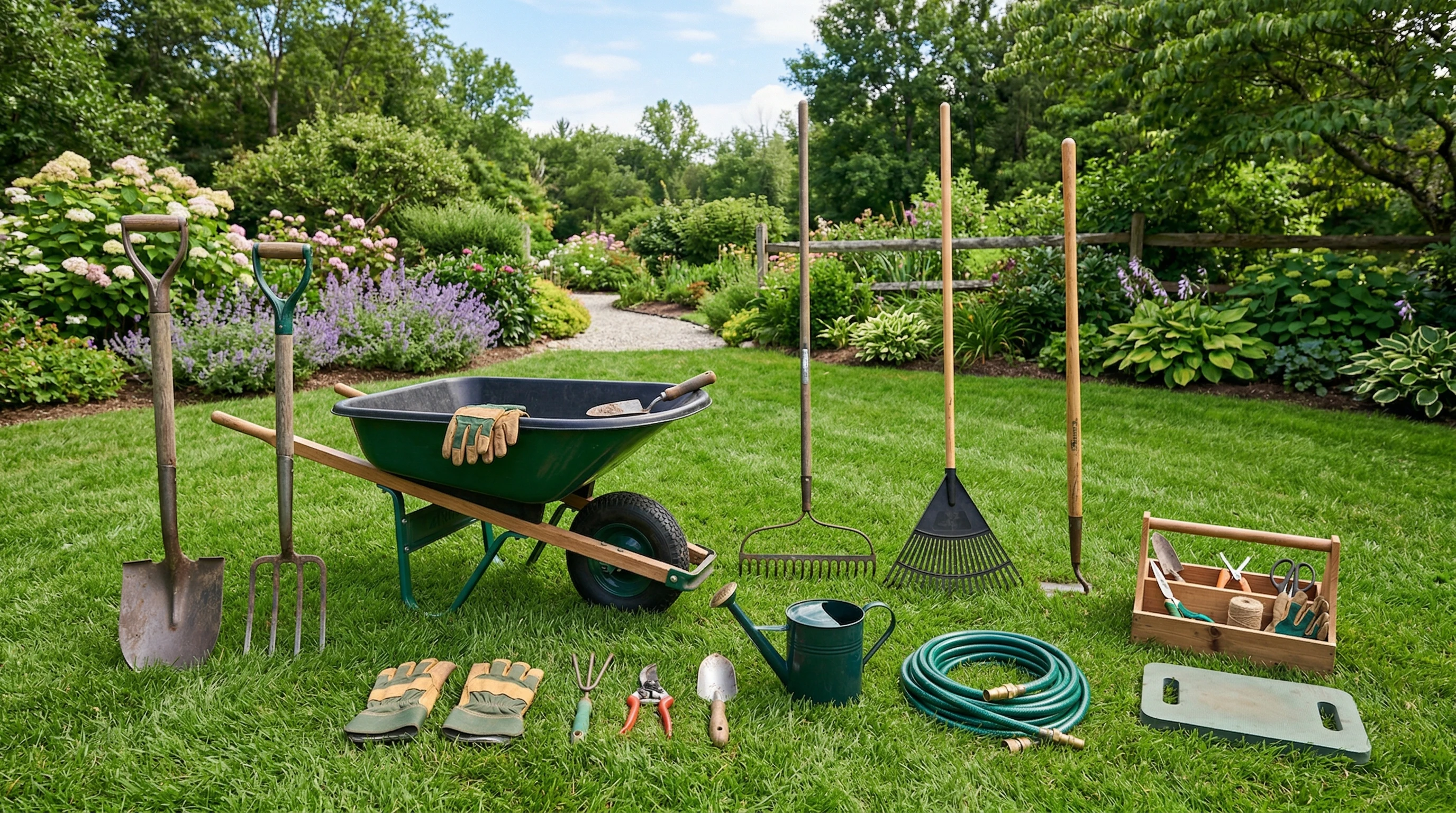
If you’re building your collection from scratch, a few staples will take care of almost any yard task. Here are my picks for tools that deliver solid results without overcomplicating things:
- Shovel: Great for digging, planting, edging, and even shoveling gravel or mulch. Rounded shovels work for most general digging, while flat shovels come in handy for edging and lifting soil.
- Garden Rake: Loosens soil, spreads mulch, and helps remove debris with minimal fuss. Leaf rakes are important for clearing leaves and lighter material.
- Wheelbarrow or Cart: Moves heavy soil, mulch, tools, or plants with way less effort than hauling by hand. Find one that fits your space and strength. Single wheel types are most maneuverable, while twowheel versions offer more balance.
- Pruning Shears: Makes quick work of shaping bushes, trimming small branches, and harvesting flowers or produce.
- Garden Fork or Pitchfork: Super useful for turning soil, breaking up clumps, or mixing in compost—especially if your dirt is clay heavy or compacted.
- Hand Trowel and Transplanter: Small enough for detail planting and weeding, ideal for working closely around delicate plants or seedlings.
- Measuring Tape and Stakes: Whether you’re laying out beds or building features, measuring ensures balance and symmetry. Pairing tape with wooden or metal stakes helps you visualize and mark spaces.
- Gloves and Eye Protection: Prevents blisters, scratches, and eye injuries. Pretty simple, but super important for finishing a project without aching hands or accidents.
Quick Tips for Tackling Your Landscape Project
Even with all the right gear, a little insider advice makes a big difference. These tips are all things I’ve tried and found helpful, especially when juggling multiple parts of a landscape project:
- Plan Ahead: Rank your tasks so you’re not jumping between projects and leaving half finished jobs behind. Making a checklist helps a lot.
- Pre mark Your Work Area: Use measuring tape and stakes to outline beds, borders, or patios. It saves headaches, and avoids surprises when you realize a project is off center.
- Sharpen Blades and Clean Tools: Sharpness and cleanliness help tools last longer, make cleaner cuts, and protect your plants from disease.
- Protect Yourself: Sunblock, a hat, water, and gloves. These sound simple, but it’s easy to forget until you get a burn or blister.
- Start With the Soil: Healthy soil is the foundation of every landscape project. A garden fork, amendment materials, and a soil test kit make a huge difference.
- Keep Extra Supplies Close By: Buckets, tarps, and a wheelbarrow are useful for collecting clippings, stones, or excess soil as you work.
What to Think About Before Buying Landscape Tools
Tool shopping can get overwhelming pretty quickly. Here are some things to keep in mind so your choices fit the projects you have planned and the space you’re working in:
- Tool Size: If you have raised beds or small garden spaces, compact hand tools might be more practical than fullsize versions.
- Weight: Ergonomic and lightweight models are available for most tools, which make longer tasks less tiring.
- Material Choices: Stainless steel resists rust and generally lasts longer, but sturdy fiberglass or hardwood handles are good choices too. Budget options might seem tempting, but they sometimes break under pressure, costing more in the long run.
- Multiuse Tools: Some tools (like a combination hoe cultivator) handle multiple jobs and save on storage space, giving you more flexibility for different projects and tight spaces.
- Maintenance: Tools that can be easily pulled apart for cleaning, blade replacements, or sharpening help keep your set in good condition for years.
Extra Power Tools to Check Out
Once you’ve handled a few projects and want to speed things up, there are some battery powered or gas tools that really streamline larger jobs. A string trimmer, leaf blower, hedge trimmer, and power edger can turn hours of work into just a few minutes. Renting is always a smart move if you only need something a couple of times per year. For more advanced tasks, a small rototiller or power auger may help break ground quickly, saving your energy for planting and finishing touches.
Dealing With Common Landscape Challenges
- Unpredictable Weather: Moistureproof or rust resistant tools come in handy if you live somewhere rainy or humid. Always dry and store tools to prevent rust.
- Heavy Clay or Rocky Soil: Highquality shovels and forks make digging much easier. A pickaxe might help break through rocky patches and save you time on prep work.
- Storage and Organization: A simple wall rack or bench with hooks keeps tools accessible, sharp, and not cluttered around the yard. Even a big bucket or portable garden tote can make storing small items a breeze if you don’t have a shed.
Every project and yard comes with its own surprise challenges. Picking the right tool for each job saves your back and helps achieve a neat, professional look, even if you’re just getting started. By using the right tools, you create better conditions for your plants to thrive and the results will stand out each season. If you ever feel lost or unsure, there are plenty of online forums or community garden groups where you can ask for advice or read about others’ experiences.
Advancing Your Skills and Adding Specialized Tools
Once you’ve nailed the basics, there are plenty of tools that make more complex landscape tasks doable. Here are a few options I’ve added to my kit over the years, especially useful for bigger projects or just getting a polished finish:
Landscape Fabric Cutter: For clean lines when rolling out landscape fabric; this really speeds up weed prevention tasks and gives your beds a neat look from the start.
Mattock or Pickaxe: If you’re breaking new ground, digging out shrubs, or working through rocky soil, these heavyduty tools make tough jobs manageable and prevent frustration with stubborn areas.
Brick or Block Splitter: For anyone building patios or edging, this tool gives really clean cuts without needing a full masonry saw, making small hardscaping projects much more approachable for beginners.
Soil Tamper: Helps create a firm base for walkways, patios, or even a simple garden path so your hard landscaping stays level over time. Consistent tamping gives better results than risking uneven finishes by eye.
Watering Wand or Soaker Hose: Adds a gentle, controlled flow of water, especially useful when new plantings are established and need extra TLC during the first weeks or dry spells.
You definitely don’t have to own every specialty tool right away. Renting or borrowing from neighbors is a practical way to test if you’ll use something enough to make it worth the purchase. Community tool libraries are becoming more popular, letting you try tools before committing and helping reduce clutter or expenses.
Common Questions About Landscape Tools
What’s the first tool I should buy for a landscape project?
The classic shovel is typically the most versatile pick. It covers digging, planting, edging, and even moving mulch or gravel. Combine this with a rake and you’ll be set for most basic jobs.
How do I keep my tools in good shape?
Washing dirt off after use, drying thoroughly, and sharpening blades as needed helps a lot. Rubber or wooden handles can also be oiled to prevent splintering or cracking.
Do I really need power tools for landscaping?
Not always! For smaller spaces, manual options are just fine. If you have a big yard or need to work quickly, like with leaf cleanup or hedge trimming, battery powered gear can be pretty handy and a real time saver.
Is it better to rent or buy specialty tools?
If you only need a tool once or twice a year (think sod cutters, augers, block splitters), renting saves storage space and money. Most garden centers and hardware stores offer this option, and in some places, neighborhood lending programs help you find exactly what you need for a weekend project.
Building Your Landscape Toolkit
Building a dependable set of tools for your landscaping projects doesn’t have to be expensive or complicated. Starting with versatile basics and gradually adding specialty gear makes each job easier and more enjoyable. Over time, learning how to use, tweak, and maintain your tools can turn routine yard work into a real creative outlet. Each project you finish adds a bit more confidence, and before long, you’ll find your backyard or front garden looking just the way you imagined. The right tools help you work smarter, not harder, so you can actually enjoy the results when your project is complete.